
Polar Semiconductor Featured on 60 Minutes in Report on Global Helium Shortage
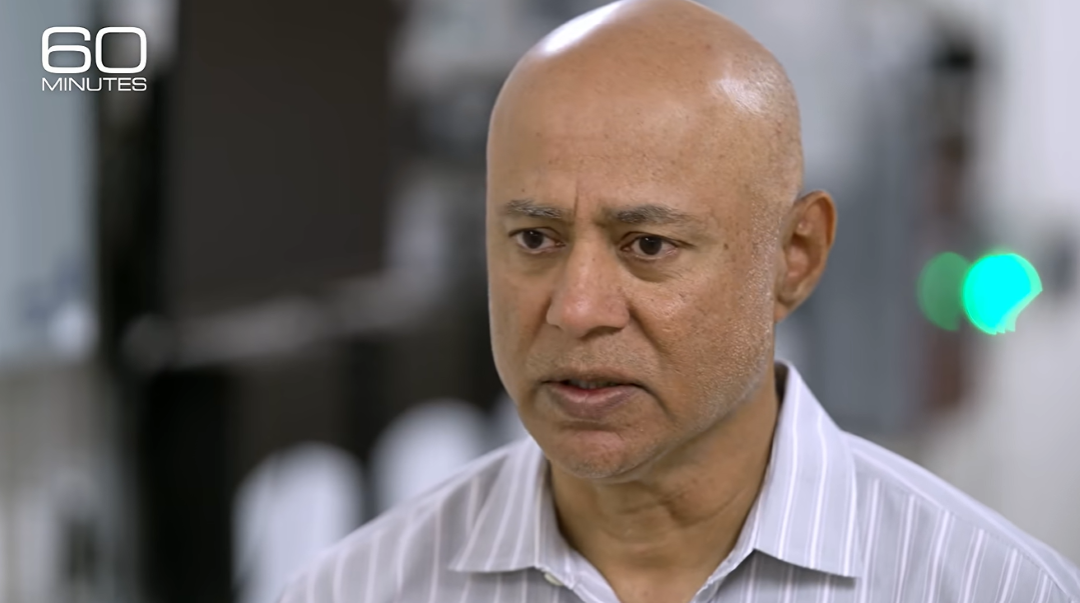
Polar Semiconductor was recently featured on 60 Minutes as part of a report examining the global helium shortage and why this limited resource matters to industries far beyond its most familiar uses.
The 60 Minutes team visited Polar’s semiconductor manufacturing facility in Bloomington, Minnesota, where President & COO Surya Iyer provided a look inside the fab and explained the critical role helium plays throughout semiconductor production.
Why Helium Matters to Semiconductor Manufacturing
Helium is used extensively across Polar’s manufacturing operations. Iyer estimates that approximately 40% to 50% of the machines in the fab use helium in some capacity, with the gas playing a role in hundreds of individual process steps. Helium helps maintain a clean, stable manufacturing environment to reduce the risk of defects on semiconductor wafers.
Polar has worked to strengthen its supply by sourcing helium from three suppliers. Even with that diversified approach, we’ve experienced the effects of the global shortage, including allocation restrictions from one supplier.
The importance of reliable supply is difficult to overstate. When asked what would happen without helium, Iyer explained that semiconductor production would have to shut down.
Growing Semiconductor Demand Raises the Stakes
The helium challenge comes as demand for semiconductors continues to accelerate. Iyer pointed to the rapid growth of AI data centers and continued electrification as two major forces driving semiconductor demand. At the same time, Polar is working to double its production capacity to approximately 140 million chips per month.
Those trends make the availability of essential manufacturing resources increasingly important. As Iyer emphasized, a dependable domestic helium supply is particularly valuable as the United States expands semiconductor manufacturing and other technology-intensive infrastructure.
Polar appreciates 60 Minutes for visiting our Bloomington facility and helping bring attention to an often-overlooked part of the semiconductor supply chain.